Advanced Treatments
Complex neurotherapeutics
A/Prof Mahant is recognised as an expert in complex neurotherapeutics, offering advanced treatments that are not widely available. He works with experienced multidisciplinary teams.
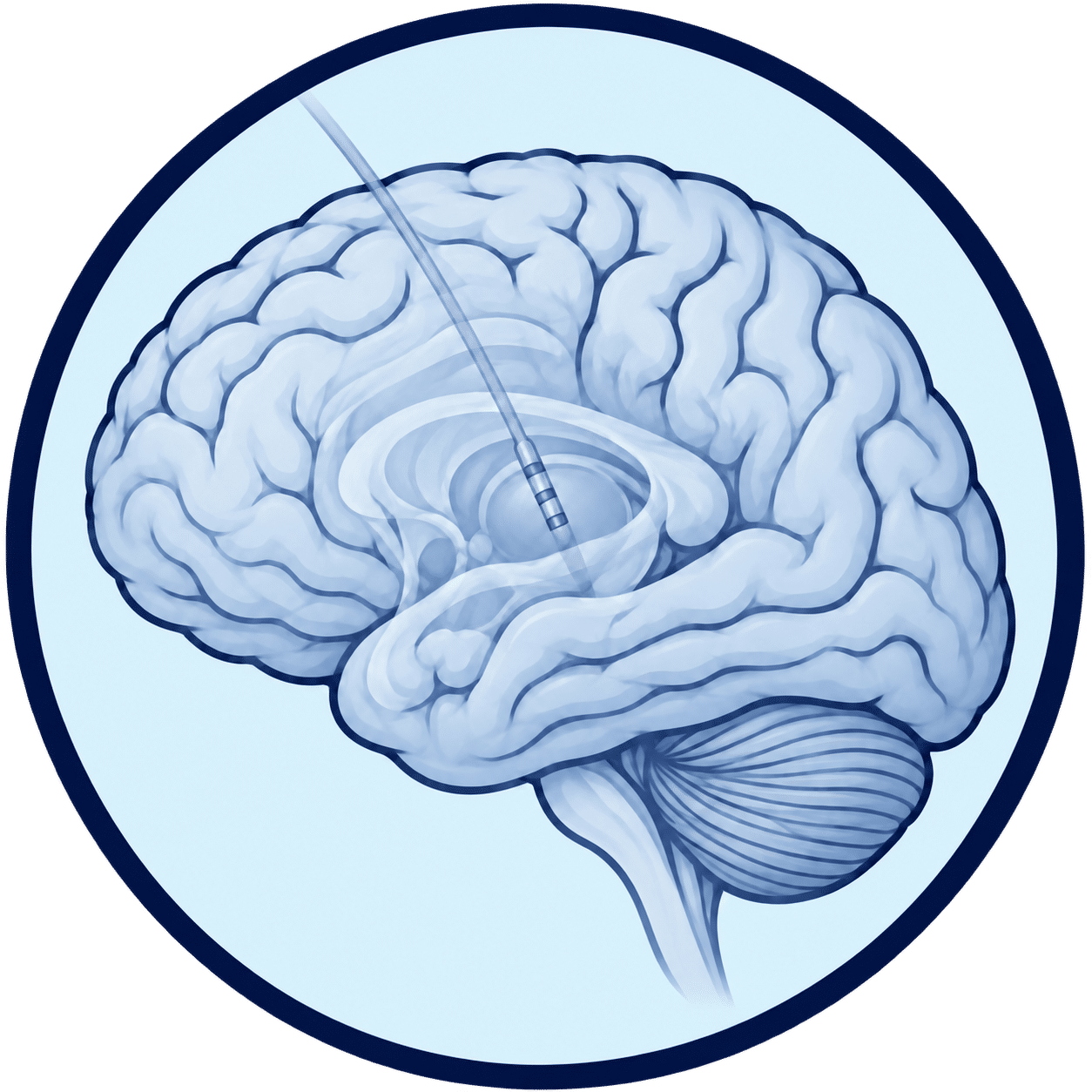
Deep Brain Stimulation (DBS)
DBS uses precisely placed electrodes to deliver therapeutic stimulation to specifically targeted brain regions to improve certain movement disorders. A/Prof Mahant works within one of Australia's most experienced multidisciplinary DBS teams, including the country's first Paediatric DBS program.
The most common reason for DBS is fluctuating Parkinson's. It is also effective for some forms of dystonia and tremor.
A/Prof Mahant's background as a DBS neurologist and neurophysiologist is the ideal background for this complex and important advance in the field of DBS. Adaptive DBS (aDBS) was launched in Australia in April 2026. Based on his background, the Westmead DBS Team is a leading centre for DBS.
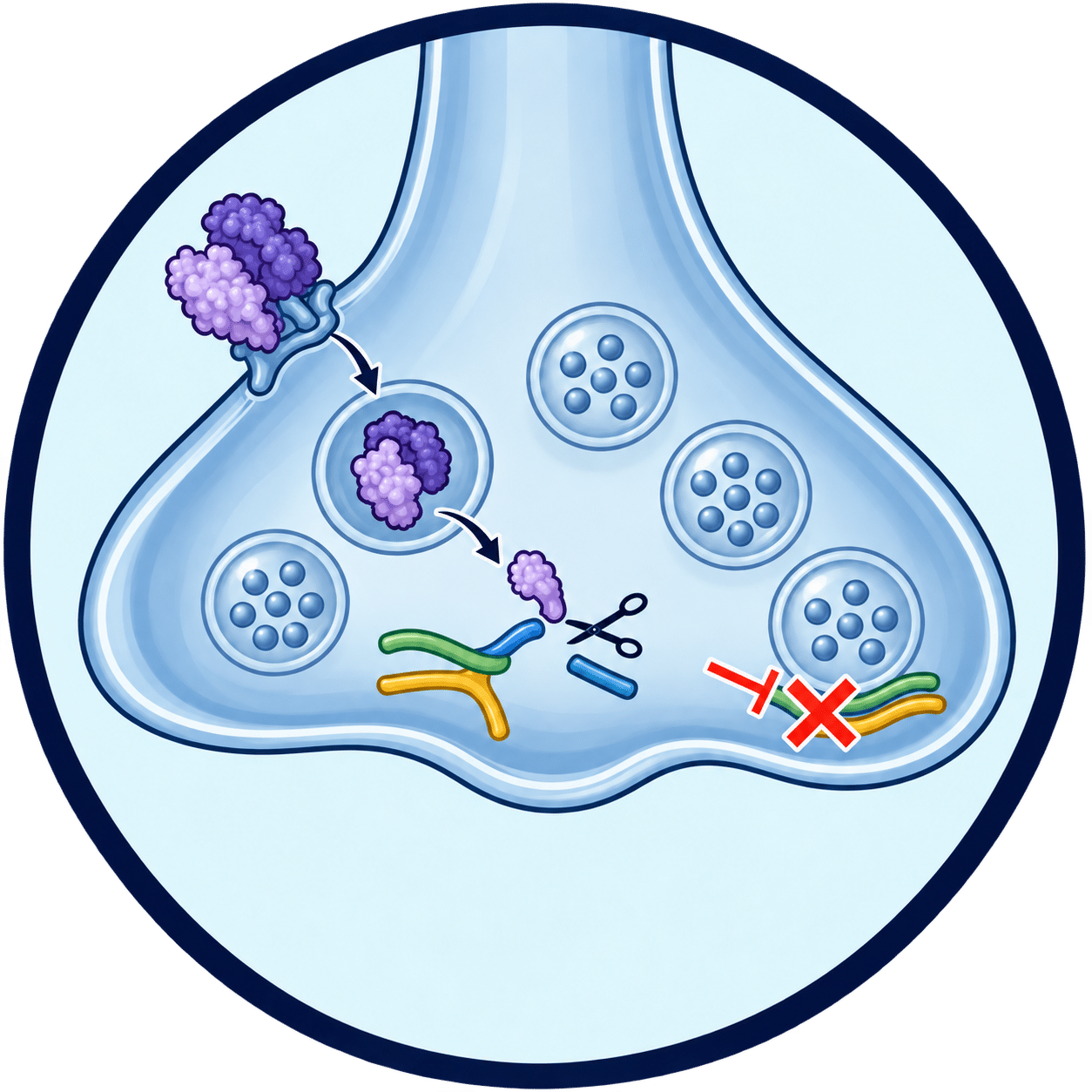
Botulinum Toxin Therapy
This is the precise injection of botulinum toxin to reduce abnormal muscle activity. If used properly for the right condition, it can improve function and ease pain.
Accurate muscle selection and dosing are key to get the best result. Treatments must be tailored to each patient. There is no substitute for skill gained from over 20 years experience.
Accurate muscle selection and dosing are key to get the best result. Treatments must be tailored to each patient. There is no substitute for skill gained from over 20 years experience.

Infusional Therapies
Continuous medication infusions provide steadier symptoms control for people whose Parkinson's symptoms fluctuate. A/Prof Mahant has extensive experience with all available medication infusions for Parkinson's. He has published research comparing continuous therapies.

Paediatric Movement Disorders
Children with severe movement disorders such as dystonia have had limited treatment options. Medications often provide limited benefit.A/Prof Mahant helped establish Australia's first and only Paediatric DBS team, expanding access to advanced care.
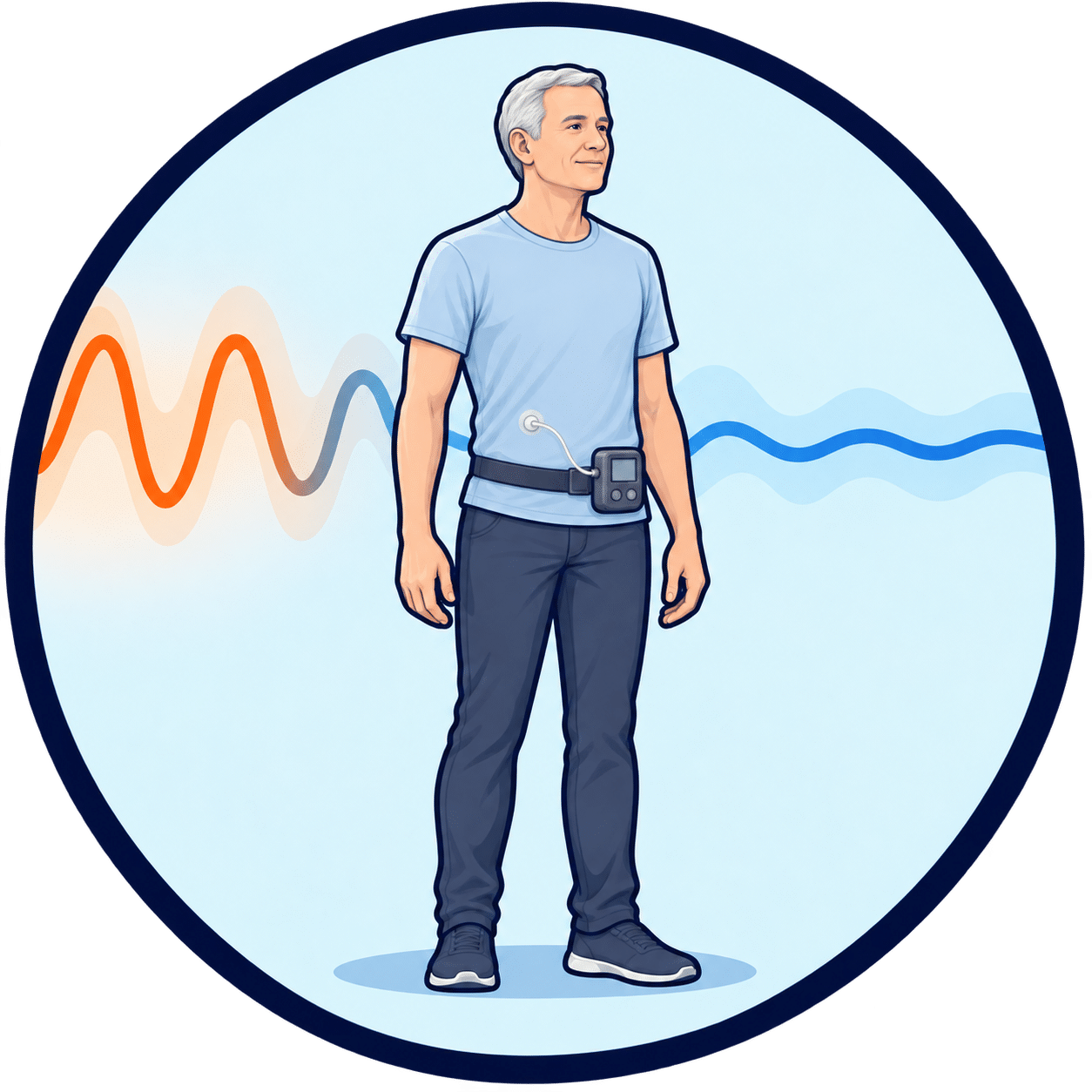
Continuous Therapies For Fluctuating Parkinson’s
Device-assisted therapies can restore steadier symptom control and meaningfully improve quality of life — and for most people, the greatest cost is waiting too long to start.
A careful, individualised approach
Every treatment plan is tailored to the person. Careful assessment and selection are essential to achieving the best outcomes.


